Paediatric undescended testis surgery, also known as orchiopexy, is performed to correct a condition in which one or both testicles do not descend into the scrotum before birth. This is a common condition in newborn boys, particularly in premature infants. If not treated on time, it may lead to complications such as infertility or increased risk of testicular problems later in life. Surgical correction ensures proper placement of the testis, supporting normal growth and long-term health.
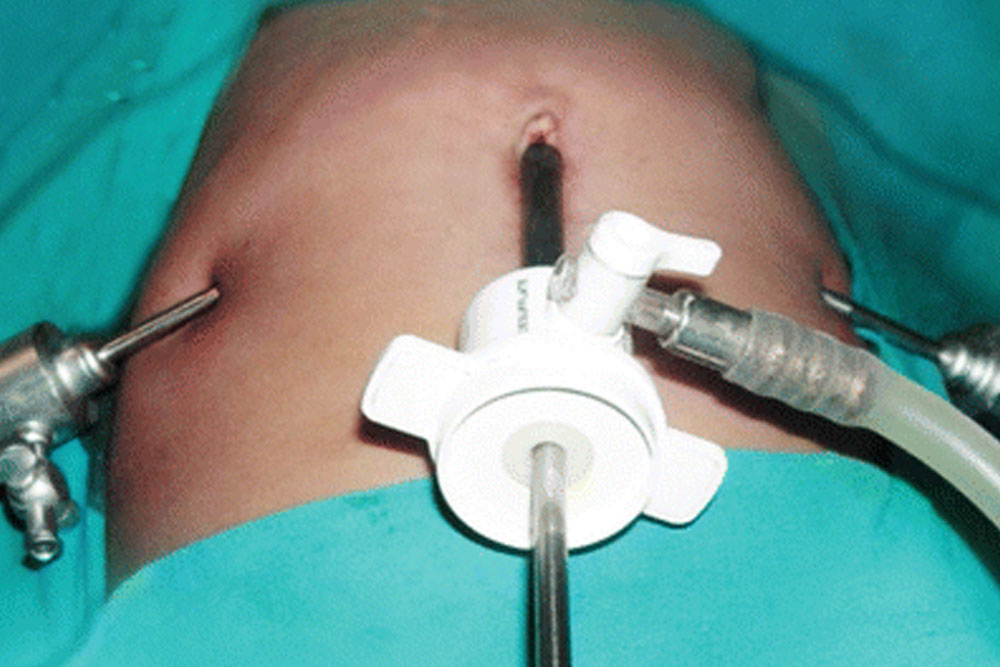
Timely surgical intervention plays a crucial role in preventing future complications and ensuring proper testicular function in children.
Each child undergoes a detailed clinical evaluation to determine the position and condition of the undescended testis. Based on the findings, the most suitable surgical approach is planned to safely bring the testis into the scrotum and fix it in place.