Paediatric congenital anomalies surgery focuses on the diagnosis and surgical correction of birth defects present in newborns, infants, and children. These conditions can affect organs such as the intestines, lungs, esophagus, abdominal wall, and urinary system. With advanced surgical techniques and specialized neonatal care, most congenital anomalies can be effectively treated, ensuring healthy growth and improved quality of life for the child.
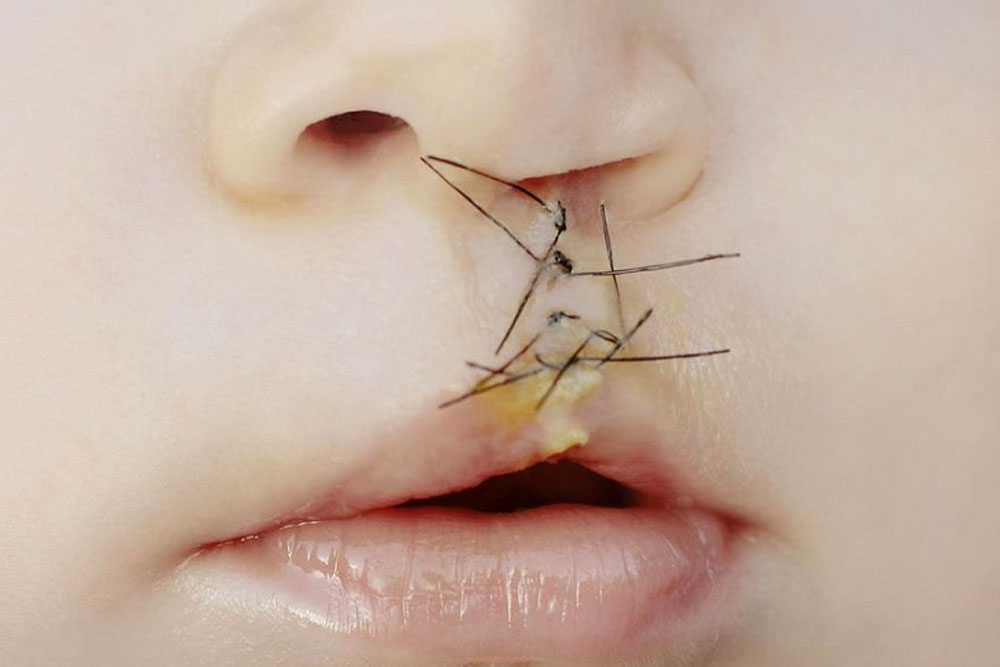
Early diagnosis and timely surgical intervention play a crucial role in managing congenital anomalies. Our approach combines precision surgery with compassionate care to ensure the best outcomes for every child.
Paediatric congenital anomaly surgeries cover a wide range of conditions such as tracheoesophageal fistula, intestinal atresia, diaphragmatic hernia, anorectal malformations, and abdominal wall defects like omphalocele and gastroschisis. Each condition requires a specialized surgical approach tailored to the child’s age, weight, and overall health, ensuring safe correction and long-term well-being.