Minimally invasive reconstructive surgery in paediatric patients focuses on correcting congenital defects and structural abnormalities using advanced laparoscopic and endoscopic techniques. These procedures involve smaller incisions, specialized instruments, and precise surgical methods to restore normal function and appearance in children. This approach not only reduces surgical trauma but also promotes faster healing, less pain, and better cosmetic outcomes, making it highly suitable for infants and children.
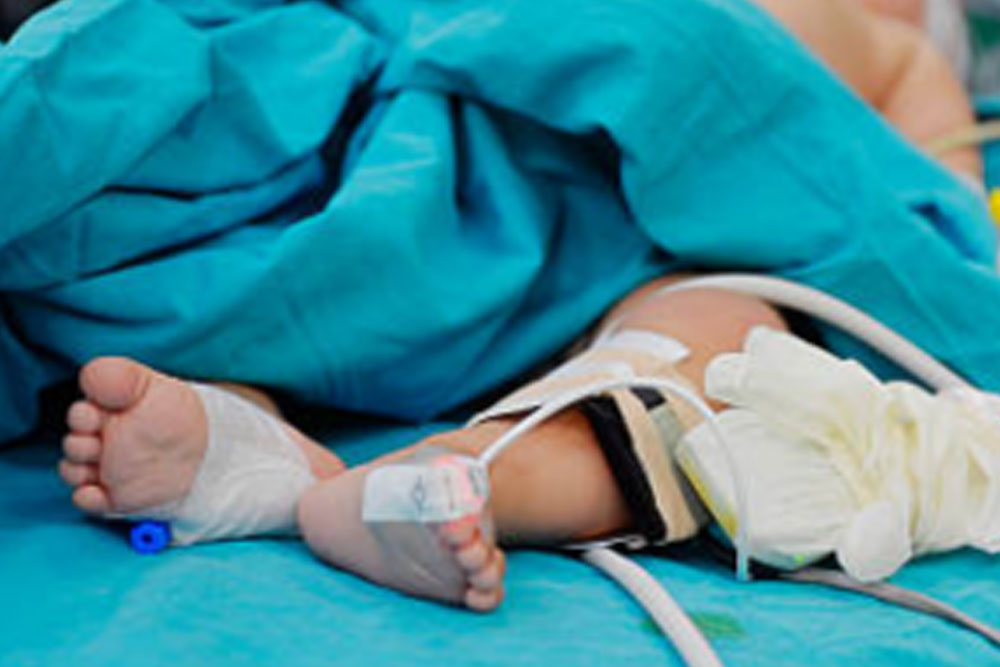
Minimally invasive procedures offer significant advantages over traditional open surgeries, ensuring safer and more comfortable treatment for young patients.
Minimally invasive reconstructive surgery is used to treat a variety of paediatric conditions such as congenital urological abnormalities, gastrointestinal defects, thoracic anomalies, and abdominal wall issues. Each procedure is carefully planned based on the child’s condition, ensuring safe correction, improved function, and long-term health with minimal impact on the child’s growth and development.